
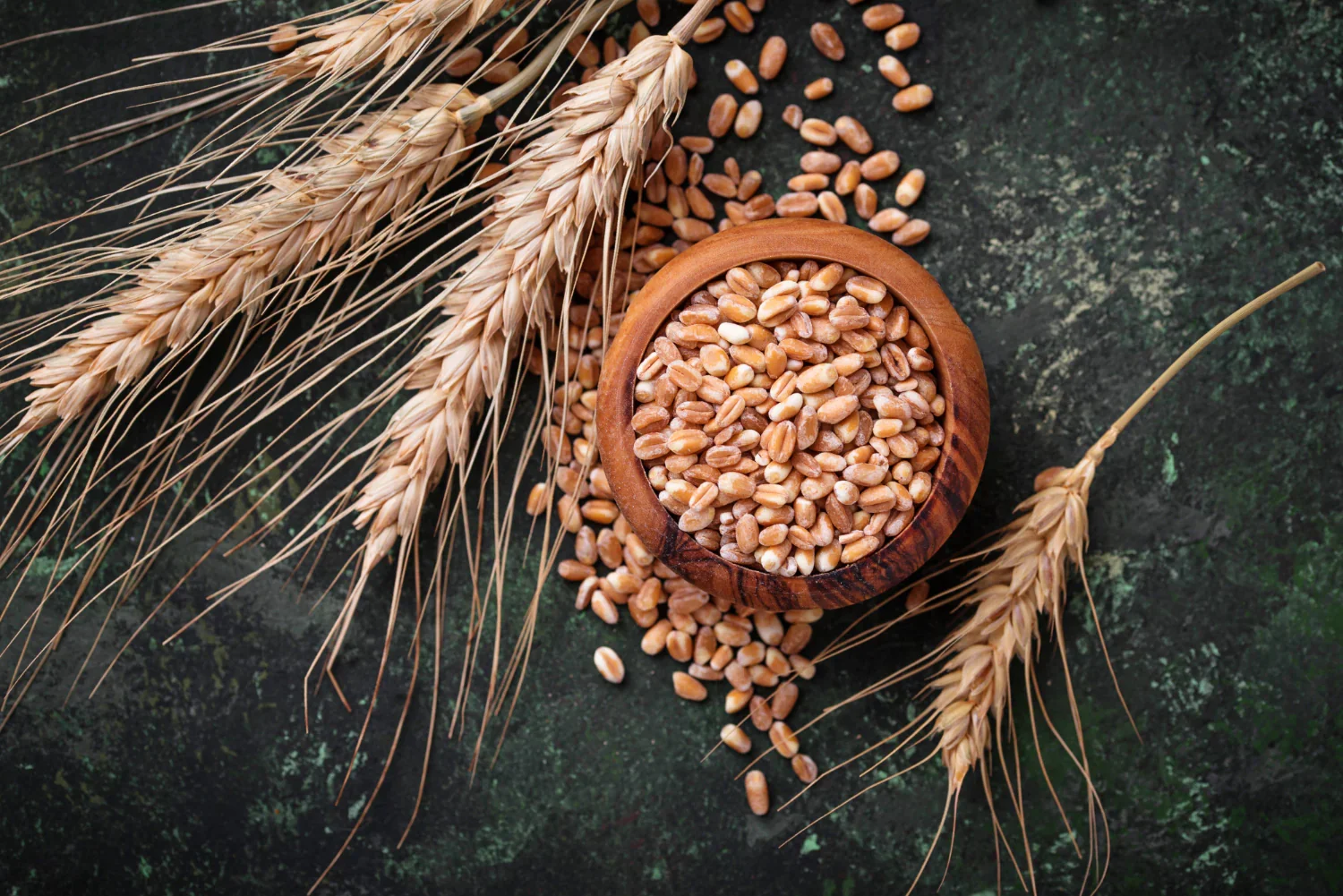
Why Freshly Milled Flour?
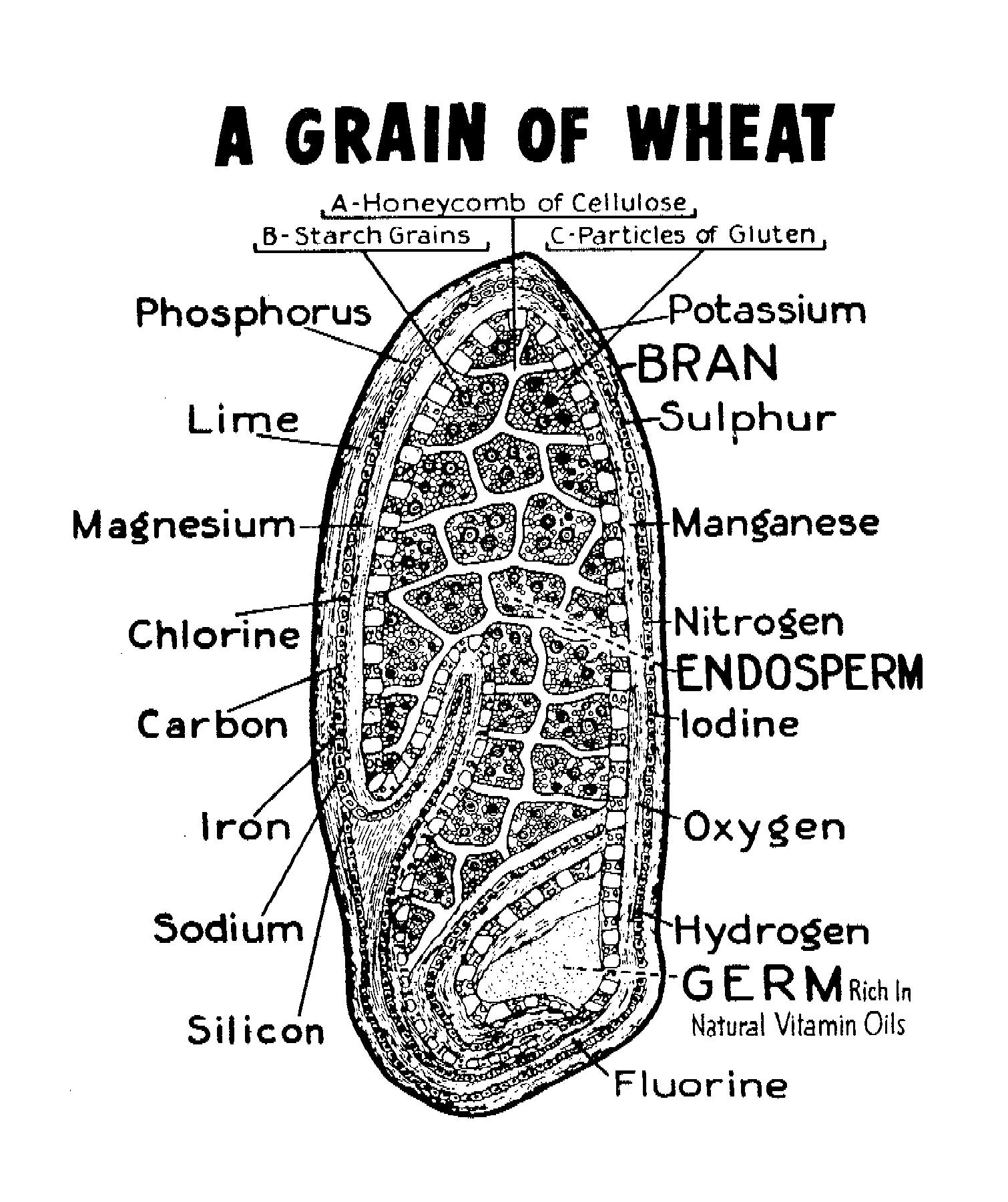
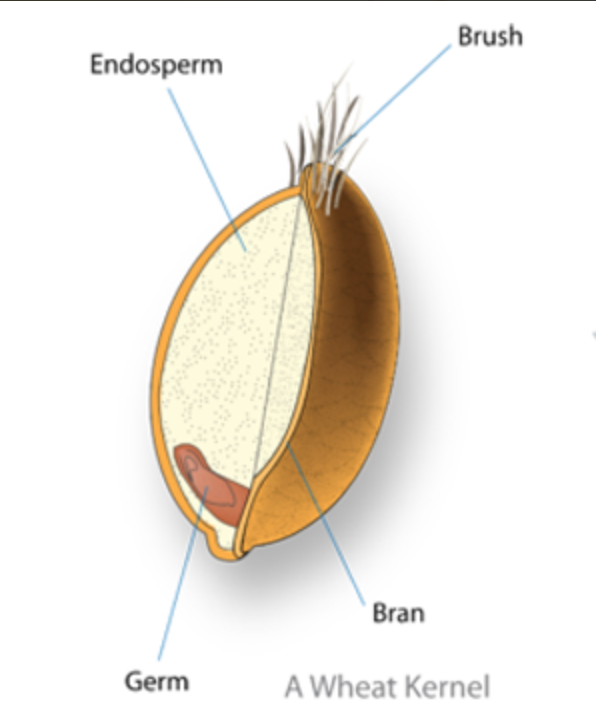
Bran (Outer Layer): Provides most fiber, B vitamins, and minerals.
Germ (Embryo): Contains healthy fats, Vitamin E, B vitamins, and antioxidants.
Endosperm (Starchy Interior): Primarily provides starchy carbohydrates and protein.
White bread products contain refined flour, which means the bran and germ are stripped away, and just the endosperm is used for the flour. Let's take a look at what you are missing when you eat white bread. Refining flour means you just lost 85% of the protein, 93% of the fiber and 93% of the iron. When the bran and germ are discarded there is a huge loss in nutritional value because they are the parts of the wheat that contain most of the essential vitamins and minerals as well as aid in the breakdown of gluten.
By milling flour on demand, freshly milled bread products are significantly higher in fiber, protein, healthy fats, antioxidants and micronutrients.
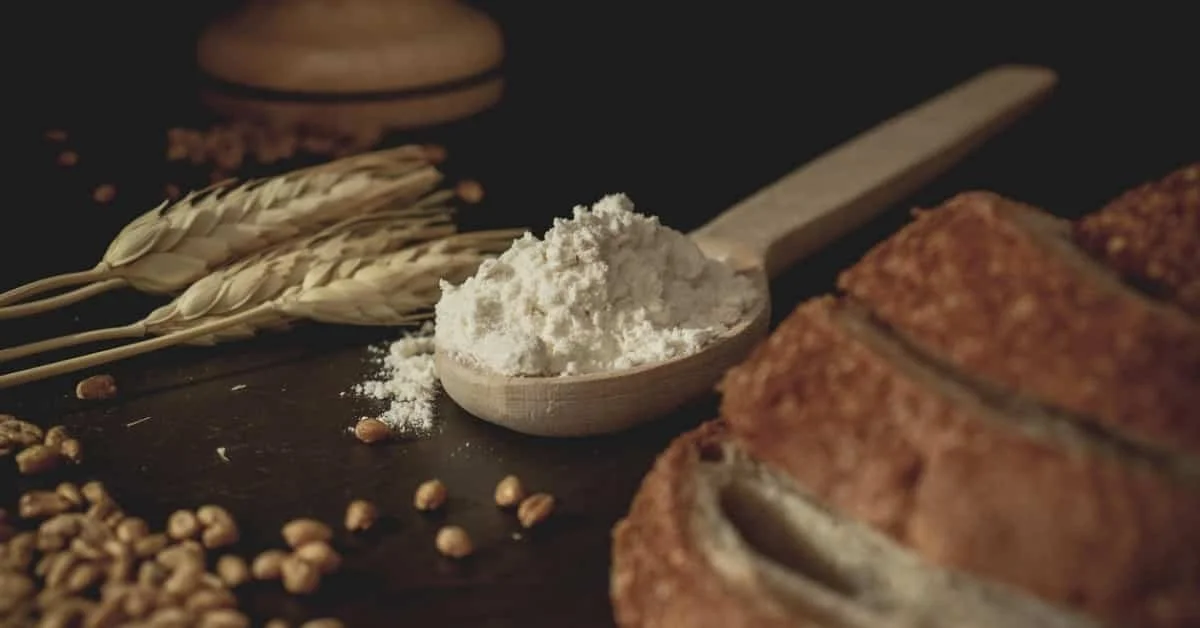
Flour is no longer made for health but for the shelf. Industrialized mills use efficient high-speed steel rollers to produce shelf-stable flour in bulk, destroying much of the vitamins and minerals in the process. Ultimately, modern wheat and modern milling methods accommodate an extended supply chain so that your flour can sit in a warehouse, on a shelf, and in your cupboards for an unnaturally long time but at the detriment of our health.
Freshly Milled Flour Benefits
Despite popular belief, whole grains, when freshly milled, are extremely healthy and play a vital role in a well balanced diet.
Freshly Milled Flour Contains 40 of the 44 essential nutrients for life or 91% of the nutrients our bodies need for survival
Just the way God originally designed!
-
Freshly Milled Whole grains provide essential nutrients such as soluble and insoluble fiber, vitamins (especially B vitamins) and trace minerals (zinc, iron, magnesium, manganese).
B vitamins help aid in red blood cell synthesis, cognitive health, and energy production, nervous system function, and cell metabolism, with Folate being particularly important during pregnancy.
Magnesium is crucial for over 300 enzyme reactions in the body. It supports strong bones, nerve and muscle function, and helps maintain normal blood pressure.
The transportation of oxygen and the prevention of iron-deficiency anemia depend on iron. You may enhance your intake of these crucial nutrients and promote general health and vigor by including wheat berries in your diet.
Commercial flour removes 30% of the wheat kernel and the most nutritious part of the wheat to make white flour
Commercial flour adds back in “synthetic vitamins” and additional gluten that are not only inferior but can compromise health and cause intolerance.
-
When you eat, your body breaks food down into nutrients it can use. But it can’t digest or absorb fiber, which is actually a good thing. Instead, fiber stays mostly intact for its journey through your body.
Fiber comes in two forms: soluble and insoluble.
Soluble fiber dissolves in water and other body fluids. When it does, it forms a gel-like material as it passes through. Once it makes it to the colon, it feeds your good gut bacteria.
Reduces your body’s ability to absorb fat.
Lowers cholesterol and blood sugar levels.
May reduce heart disease risk.
Increases healthy gut bacteria, which lowers inflammation in the body and helps you digest better.
Insoluble fiber doesn’t dissolve in fluids. Instead, it absorbs them and sticks to other materials to form stool. This process leads to softer, bulkier — and more regular — stools. Reduces constipation and keeps a healthy digestive tract
Helps your body process waste better.
Improves bowel health.
Prevents and treats constipation.
Reduces your risk for colorectal conditions, such as hemorrhoids and diverticulitis.
Store bought “whole wheat” is often labeled “enriched” and “fortified” but they are loaded with additives/preservatives (including coloring to make it brown) which compromises the health benefits and constitutes only about 9% of the vitamins and nutrients neededvs. 91% in freshly milled.
-
The insoluble fiber in wheat berries acts as a prebiotic, feeding beneficial bacteria in the gut. A diverse & healthy gut microbiota is connected to improved digestion, immunity, and mental health.
-
Wheat berries are a significant source of manganese, which plays a role in bone formation and synthesizing bone cartilage. Phosphorus is also present and essential for bone structure and various physiological processes.
-
Wheat berries contain various antioxidants and phytochemicals, such as ferulic acid and lignans, which are primarily concentrated in the bran and germ. These compounds assist in combating oxidative stress and free radical damage in the body.
-
The high soluble fiber content helps reduce levels of low-density lipoprotein (LDL), often called bad cholesterol, by binding to it in the digestive tract & facilitating its removal from the body, thereby lowering the risk of heart disease.
-
Improves weight management by lowering cholesterol and blood sugar levels
Wheat berries’ high fiber content also leads to a feeling of fullness, lowering the likelihood of overeating, and helps with weight management, which is essential for maintaining heart health.
Slow digestion of wheat berries contributes to blood sugar regulation by reducing spikes and crashes that might trigger cravings.
The fiber slows glucose absorption, making it an excellent choice for managing blood sugar and reducing the risk of type 2 diabetes.
The high starch content of white commercial flours increases the absorption of fat so more is stored in the body as compared to eating freshly milled whole grains.
-
Studies suggest that the high fiber, antioxidants (like selenium and Vitamin E), and phytochemicals (like lignans) in whole grains like wheat berries may contribute to a reduced risk of certain cancers, particularly colorectal and breast cancers.
-
Wheat berries provide a substantial amount of plant-based protein, essential for muscle repair, growth, and overall body function. Thus, they are a valuable component of vegetarian and vegan diets.
-
Many people who have gluten sensitivity can tolerate fresh milled grain just fine since the only gluten present is what naturally occurs in the wheat berry. In addition, freshly milled flour leaves all parts of the whole-grain providing enzymes necessary for our bodies to aid in the digestions of the other grain components.
Commercial milling removes the parts of the grain that aid in the actual digestion and processing of gluten. In addition, extra gluten is often added back in to commercial flours - more than would naturally occur.
**Please note - This does not apply if you are diagnosed with celiac disease or a true gluten allergy. Proceed at your own risk**
-
Freshly Milled Grains have a SUPERIOR flavor to commercial grains - it’s ALIVE having enzymes, nutrients, and fiber.
Fiber provides structure and texture. The bran and germ add flavor and even a bit of sweet taste.
This is how grain was meant to nourish the body — full, living, and life-giving.
Ready to give it a try?
Sign up to get notified when my next Pre-Order happens!